What to know about narrow access cleaning in Lambeth
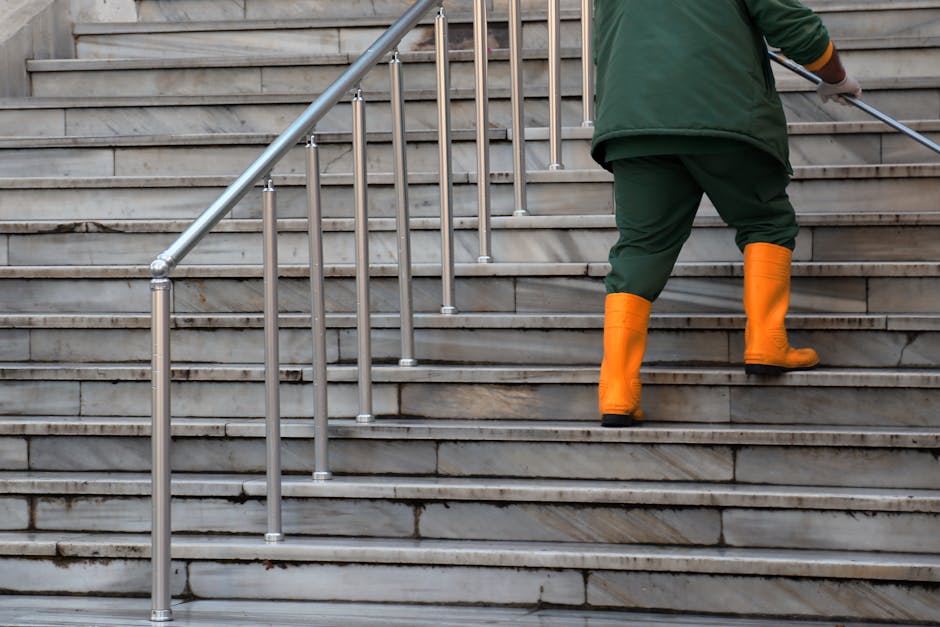
Narrow access cleaning in Lambeth is one of those jobs that sounds simple until you actually try to move a machine through a side passage, up a tight staircase, or into a flat with barely enough room for a vacuum, let alone proper equipment. If you live or work in the borough, you will know the feeling: a beautiful period property, a compact conversion, or a modern building with awkward access and suddenly the cleaning plan needs a rethink.
This guide explains what narrow access cleaning involves, why it matters in Lambeth, how it's usually carried out, and what to check before you book. Whether you're sorting out a one-off deep clean, preparing a property for new tenants, or just trying to keep a tricky building looking respectable, the details matter. To be fair, they matter a lot more than most people expect.
By the end, you'll know how to judge access limitations, reduce disruption, avoid common mistakes, and choose the right approach for the space in front of you - not the one you wish you had.
Why narrow access cleaning in Lambeth matters
Lambeth has a mix of property styles that can make cleaning straightforward in some places and fiddly in others. You get mansion blocks, converted terraces, basement flats, split-level homes, and office spaces where the corridor feels like it was designed for one person and a small tote bag. Narrow access turns routine cleaning into a logistics job.
That matters because access affects almost everything: what equipment can be brought in, how long the work takes, how much preparation is needed, and whether surfaces can be cleaned safely without damage. A standard cleaner can do a lot with portable tools, but if a job needs larger extraction units, buckets, ladders, floor machines, or specialist attachments, those space limits become the main event.
In Lambeth, access issues also show up in practical day-to-day ways. Think of shared entrances, railings, narrow front paths, limited parking, or stairwells where a turn is awkward enough to scratch paintwork. A good plan avoids all that stress. A poor one can mean delays, rushed work, and the kind of clumsy frustration that leaves everyone sighing at 8:15 on a Tuesday morning.
If you want a broader sense of the borough and its property mix, it can help to read about what living in Lambeth is actually like or take a look at the local perspective in this Lambeth area guide. The housing stock itself is a big part of why access-sensitive cleaning is such a normal request here.
How narrow access cleaning works
At its core, narrow access cleaning is about adapting the cleaning method to the property, not forcing the property to fit a standard method. The cleaner begins by assessing access points, available working space, surface types, and any restrictions around noise, water use, power supply, or parking. Then the plan is built around those realities.
In practice, that usually means using lighter, more portable equipment, breaking tasks into smaller stages, and carrying supplies carefully rather than wheeling in bulky gear. Sometimes the work is done room by room, with cleaning products mixed or decanted on site. Sometimes tools are brought in via a rear entrance or service route rather than through the main door. Sometimes a job needs two visits simply because the access window is small and the building is busy.
You may also see a cleaner change method mid-job. For example, a carpet in a cramped hallway may be treated with a low-moisture technique, while a living room with better space can be deep cleaned more conventionally. That flexibility is often what separates a decent result from a messy compromise.
For some customers, narrow access also overlaps with related services such as carpet cleaning in Lambeth, upholstery cleaning in Lambeth, or a broader tidy-up through domestic cleaning in Lambeth. The access challenge stays the same, but the cleaning priorities shift depending on the job.
Key benefits and practical advantages
There's a reason people keep asking for specialist help with tight access properties. It saves time, reduces avoidable damage, and makes the cleaning process feel much less chaotic. That may sound obvious, but when you're dealing with a narrow stairwell and a wet extraction machine, obvious is very welcome.
- Less risk of damage: smaller tools and more careful movement reduce the chance of chipped skirting boards, marked walls, and scuffed floors.
- Better coverage in awkward places: corners, edges, under-stair spaces, and tight bathroom layouts are easier to clean properly when the method is planned around them.
- Less disruption for occupants: if people are still living or working in the building, narrow access cleaning can keep foot traffic, noise, and clutter under control.
- More realistic scheduling: the work is priced and timed around actual conditions, not a guess made from a postcode and a photo.
- Cleaner finish in older properties: Lambeth has plenty of older buildings where access is just part of the character. A tailored approach often gives the best result without forcing large equipment into a space it clearly doesn't want.
There's also a trust benefit. When a cleaner explains the access plan properly, you know they've thought about the job. That usually translates into fewer surprises later. And let's face it, surprises are brilliant for birthdays, not so much for cleaning invoices.
If you're comparing options or trying to understand how a provider structures work, it can help to review service details and scope alongside pricing and quotes. The clearer the service breakdown, the easier it is to judge whether the access constraints are being accounted for sensibly.
Who this is for and when it makes sense
Narrow access cleaning is not just for unusual buildings. In Lambeth, it often makes sense for ordinary homes and businesses that happen to have awkward layouts or restricted entry points.
You may need it if you're in a basement flat with a tight staircase, a conversion where furniture has to be manoeuvred carefully, an office on an upper floor with a narrow landing, or a property with no practical place to park a full-size van directly outside. It also comes up in end-of-tenancy situations, especially where the property has been furnished tightly or where cleaners need to work around fragile finishes.
It is particularly relevant if:
- the property has limited internal circulation space
- large equipment will not fit through the doorways or stair turns
- access to water, waste disposal, or power is awkward
- the cleaner needs to work around residents, tenants, or staff
- the job includes carpets, upholstery, or deep cleaning in compact rooms
- the property is older and needs extra care around decorative features
If you're dealing with a changeover or a landlord handover, narrow access can be one part of a broader clean. In that case, the context matters. A job tied to end-of-tenancy cleaning in Lambeth may need more planning than a routine weekly clean, especially when timing is tight and the property needs to look immaculate.
One small but useful reality check: if access is tricky for you, it's probably tricky for the cleaner too. Mention it early. No one enjoys carrying a machine up three flights only to discover the final doorway is too narrow. Been there, regretted that.
Step-by-step guidance
Here's a sensible way to approach narrow access cleaning without making the day harder than it needs to be.
- Map the access points. Note front doors, side gates, alleyways, shared halls, staircases, lift access, and any turning points. Measure if needed. Don't assume a "standard" trolley will fit.
- List the awkward items. Heavy carpets, oversized sofas, fragile furniture, and awkward appliances may change the method. A cleaner needs to know what they are working around before they arrive.
- Share the honest constraints. Mention parking issues, loading restrictions, building access codes, time windows, and any concerns from neighbours or building management.
- Agree the cleaning method. Ask how the job will be done with the available space. Portable extraction? Smaller vacuums? Dry or low-moisture methods? This is the point where practical experience really shows.
- Prepare the route. Clear hallways, remove tripping hazards, open access doors, and protect vulnerable surfaces where needed.
- Stage the job in sensible sections. In tight spaces, cleaning in one sweep is often inefficient. Good teams work in stages so they do not block themselves in.
- Inspect the finish carefully. Look at edges, corners, thresholds, and any areas that are harder to reach. Narrow spaces hide missed spots well, annoyingly well.
A helpful rule: the more constrained the access, the more valuable pre-clean communication becomes. A 5-minute briefing can save 45 minutes of backtracking.
If the property is also being prepared for sale, staging, or a new lease, the wider context may be useful. For example, this guide to selling property in Lambeth gives a sense of how presentation and timing often overlap with cleaning decisions.
Expert tips for better results
Experience really does matter here. A cleaner who has handled tight access before will usually think in a different way from someone who only works in open-plan homes. The differences are small at first glance, but they add up fast.
- Use lighter, modular tools where possible. Smaller machines are slower in theory, but they often get the job done more efficiently in cramped buildings because they are easier to position.
- Protect the route before anything else. If the staircase, hallway, or landing is vulnerable, set protection first. It is much easier than apologising for a mark later.
- Keep cleaning chemistry simple and appropriate. In small spaces, over-wetting or over-applying product can cause lingering smells, damp patches, or longer drying times.
- Think about drying as part of the job. Narrow spaces often have poorer airflow. You may need longer drying time, open windows, or staged room use.
- Plan for waste removal. Dirty water, debris, and packaging need somewhere to go. That's easy to forget until the final ten minutes.
- Take photos before and after if the job is complex. This is helpful for landlords, tenants, office managers, and anyone else who wants clarity on what was cleaned.
One practical observation from real jobs: the cleaner who asks "where can I set down safely?" is usually the one who will leave the property tidier than the person who just pushes forward and hopes for the best. Small question, big clue.
If you are booking alongside specialist surface work, it can also help to browse office cleaning in Lambeth or even related local articles such as office cleaning for small businesses in Vauxhall. Different setting, same need for practical planning.
Common mistakes to avoid
Most problems with narrow access cleaning are not dramatic. They are small oversights that snowball. That is why this topic deserves more attention than it often gets.
- Assuming the cleaner will "just manage". They might manage, but that is not the same as planning well.
- Underestimating access restrictions. A doorway that looks generous in photos can be surprisingly awkward once equipment is angled and carried at shoulder height.
- Forgetting about parking and loading. The job may be indoors, but the access challenge often starts on the street.
- Ignoring drying conditions. A tight flat can feel clean at the end of the visit and still be too damp to use comfortably if ventilation has not been considered.
- Choosing equipment that is too large for the route. It sounds basic, but people do it. Every week, probably.
- Not flagging fragile finishes. Painted bannisters, old tiles, and soft timber edges need more care than a quick walk-through suggests.
There's also a commercial mistake worth mentioning. Some people compare quotes only on headline price, then discover the access difficulties were not properly included. That can lead to rushed work or added charges. Reading the fine print matters, especially if you've already had issues with unexpected extras. This is where a resource like avoiding hidden cleaning charges in Lambeth properties can be genuinely useful.
Tools, resources and recommendations
You do not need a warehouse full of specialist equipment, but the right tools make a huge difference. Narrow access work usually goes better with compact, adaptable kit.
| Tool or method | Best use | Why it helps in tight access |
|---|---|---|
| Compact vacuum and attachments | General domestic or office cleaning | Easy to carry upstairs and into tight corners |
| Microfibre system | Dusting, wipe-downs, detailing | Lightweight, flexible, and good for edges |
| Low-moisture carpet method | Carpets in smaller rooms or corridors | Reduces drying time and wet-travel risk |
| Portable extraction equipment | Deep cleaning when access allows | More powerful than hand methods without needing bulky units |
| Protective floor coverings | Routes through shared or delicate areas | Minimises scuffs and accidental spill damage |
| Step-by-step room staging | Any congested property | Keeps the route clear and avoids working over yourself |
As a recommendation, start with the lightest method that can still deliver the standard you need. Then scale up only if the property genuinely allows it. That tends to be the sweet spot between efficiency and safety.
If you are also dealing with carpets or furnishing, it may help to combine services sensibly rather than tackle everything separately. The order matters. A clean route, then surfaces, then textiles. That sequence usually feels calmer, and calmer jobs are better jobs.
For transparency around business practices and trust, readers sometimes also like to review pages such as about the company, insurance and safety, or payment and security. These won't clean a single skirting board, of course, but they do help you judge whether the provider is organised and credible.
Law, compliance, standards and best practice
For narrow access cleaning, the main compliance issues are usually practical rather than complicated. The goal is safe working, appropriate waste handling, sensible use of equipment, and respect for occupants and shared building areas.
In UK settings, good practice generally means taking reasonable care around health and safety, using products as intended, and avoiding unsafe manual handling. That includes not overloading a person with equipment that is clearly too heavy for narrow stairs, and not blocking emergency access in communal areas. If a property is part of a managed building, access rules set by the landlord, building management, or residents' arrangements should also be respected.
It is also wise to think about confidentiality and privacy in flats, offices, and shared buildings. A cleaner moving carefully through communal areas should not be making noise, leaving doors propped open unnecessarily, or creating a nuisance for neighbours. In Lambeth, where many buildings are close together and sound travels, that's not just courteous - it is practical.
Some jobs may also touch on cleaning policy, complaints handling, or customer data handling, especially for businesses and property managers. If you want reassurance on those wider standards, it can be helpful to review health and safety policy details and the provider's complaints procedure. Good operations usually make these things clear rather than hiding them away.
Options, methods and comparison table
Not every narrow access job needs the same approach. Here's a simple comparison of common methods and where they tend to fit best.
| Method | Best for | Strengths | Limitations |
|---|---|---|---|
| Manual detail cleaning | Very tight areas, delicate finishes, spot work | Precise, flexible, low risk of damage | Slower on large spaces |
| Portable machine cleaning | Flats, small offices, compact houses | Balances speed and flexibility | Still needs enough room for setup and movement |
| Low-moisture methods | Carpets and upholstery where drying time matters | Quick turnaround, less water in the property | May not suit every stain or material |
| Traditional full-equipment cleaning | Sites with decent access | Efficient for larger, more open spaces | Often impractical in narrow-access properties |
The right option depends on the property, not on habit. A cleaner who reaches for the same setup every time is rarely the best fit for tight access work. Adaptability counts.
Case study or real-world example
Here's a realistic example from the kind of work that crops up all the time in Lambeth. A top-floor flat in a converted Victorian building needs a deep clean before new tenants move in. The staircase is narrow, there is no lift, and the landing turns sharply halfway up. The hallway is barely wide enough for two people to pass without a polite shuffle and a quick "sorry."
Rather than trying to bring in large equipment and forcing the issue, the cleaning team plans the work around the route. Lightweight tools go in first. Protective coverings are placed on the narrowest sections. The carpeted stairs are cleaned with compact equipment and then allowed to dry before the final walk-through. The bathroom is finished last so the team can keep the rest of the flat dry and clear.
The result is not flashy. That's the point. No scuffed walls, no wet tracks from the front door to the bedroom, no awkward back-and-forth. Just a clean flat, done methodically, with less stress than expected.
If the same property were being prepared for a move-out, that planning would fit neatly with a wider end-of-tenancy clean in Lambeth. If it were a rented flat with a lot of fabric furnishings, a linked upholstery cleaning appointment might make sense too. It all comes down to matching method to access.
Practical checklist
Use this checklist before the cleaner arrives, or before you confirm the booking if access is especially tight.
- Measure any narrow doors, stair turns, or corridors that may affect equipment movement
- Identify the best entry route and any backup route
- Confirm parking, loading, and time restrictions
- Tell the cleaner about stairs, lifts, codes, keys, and building rules
- Remove clutter from hallways and thresholds
- Protect fragile surfaces and corner edges where needed
- Flag sensitive materials, old finishes, or recent repairs
- Agree the method for carpets, upholstery, or deep-clean items
- Plan for drying time and ventilation
- Ask how waste, packaging, and dirty water will be managed
- Check what is included in the quote and what could change the price
- Leave enough time for a careful final inspection
That may look like a lot on paper. In reality, it is mostly common sense. Still, common sense written down is useful - especially on jobs where everyone is rushing around with equipment and good intentions.
Conclusion
Narrow access cleaning in Lambeth is really about one thing: working smart in properties that do not make life easy. Once you accept that the route, the room layout, and the equipment all shape the outcome, the rest becomes much clearer. You get better planning, fewer mistakes, and a cleaner finish that feels like it was done properly rather than squeezed in.
For homeowners, landlords, tenants, office managers, and letting agents, the biggest win is simple. You avoid that last-minute scramble where everyone discovers the sofa is too wide, the corridor is too tight, and the machine was never going upstairs in the first place. A bit of planning goes a long way, honestly.
Get a free quote today and see how much you can save.
And if you're still weighing up the bigger picture, the most reassuring approach is usually the practical one: assess the access honestly, choose the right method, and work with a team that knows Lambeth's properties well enough to expect the unexpected.
Frequently Asked Questions
What is narrow access cleaning in Lambeth?
It is cleaning adapted for properties where access is restricted by narrow stairs, tight doorways, limited parking, awkward hallways, or compact layouts. The method is tailored to the building rather than forcing standard equipment into it.
Why does narrow access matter so much?
Because access affects safety, speed, equipment choice, drying time, and the risk of damage. In a tight property, even a small planning mistake can create delays or scuffed surfaces.
Can narrow access cleaning still be a deep clean?
Yes, but the approach may need to be more portable and methodical. A deep clean is still possible in many Lambeth properties; it just may use smaller equipment or more staged working.
How do I know if my property counts as narrow access?
If large equipment would struggle through the doors, up the stairs, or around the corners, it counts. A doorway that looks fine at first glance can still be too awkward once tools are carried at an angle.
Is narrow access cleaning more expensive?
Sometimes it can be, especially if the job requires extra time, specialist equipment, or more labour. That said, a clear quote should explain why any added cost exists.
Do I need to measure the doors and stairs first?
It helps, especially for tight flats or older buildings. Even rough measurements are useful. They make it easier to choose the right tools and avoid unpleasant surprises on the day.
What kind of properties in Lambeth often need this service?
Basement flats, converted houses, upper-floor walk-ups, compact offices, and older properties with narrow staircases often need a tailored cleaning approach.
How long does narrow access cleaning take?
That depends on the space, the level of cleaning, and how much moving around is required. Tight access usually adds setup and care time, even if the actual cleaning area is not very large.
What should I tell the cleaner before the visit?
Tell them about staircases, lifts, entry codes, parking, loading restrictions, fragile surfaces, and anything bulky that needs to be moved. The more honest the brief, the smoother the job tends to go.
Can narrow access cleaning work for offices too?
Absolutely. Small offices, upper-floor workspaces, and shared buildings often have access constraints that need a practical cleaning plan. The principles are the same: keep the route clear and use the right equipment.
What if my building has shared hallways or neighbours close by?
Then timing, noise, and tidiness matter even more. A careful cleaner will keep common areas clear, reduce disruption, and work in a way that respects other occupants.
Where can I learn more about related Lambeth cleaning services?
You can explore related local services and advice through local living guides, pricing transparency advice, and service pages such as house cleaning in Lambeth or office cleaning in Lambeth, depending on what you need.
What is the best first step if I'm not sure whether my property is suitable?
Start with an honest access review. Walk through the route as if you were carrying equipment, note the awkward points, and share those details before booking. That one step can save a lot of hassle later.