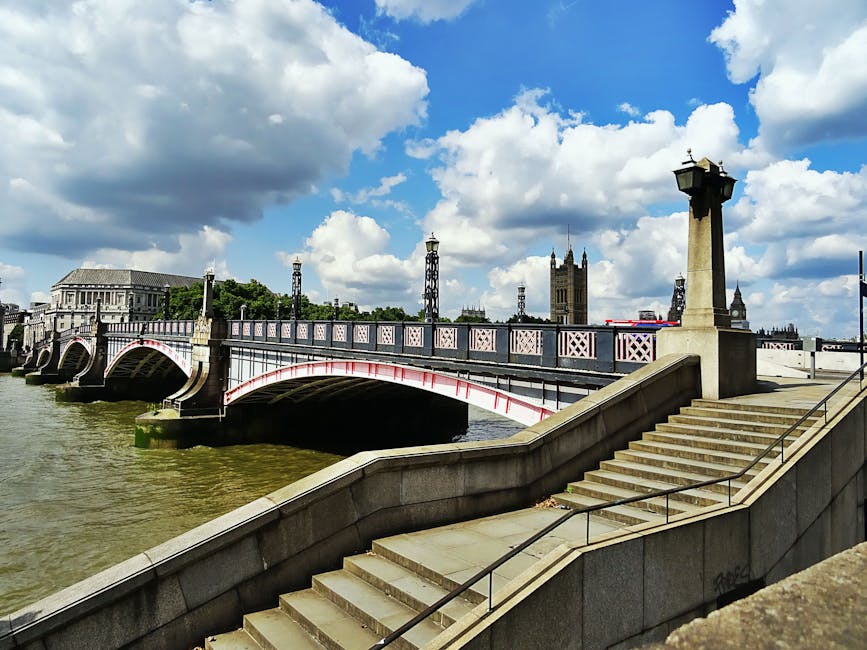
Cleaner Lambeth: A Smarter, Healthier Way to Keep the Borough Beautiful
Cleaner Lambeth is more than a phrase about tidy streets and empty bins; it is a reflection of a community that values health, comfort, and pride in where people live, work, and spend time. When a borough stays clean, it feels more welcoming, functions more efficiently, and supports a better quality of life for everyone. From busy high streets to quiet residential roads, cleanliness shapes how residents, visitors, and businesses experience Lambeth every day.
Across the borough, the idea of a cleaner Lambeth connects to many everyday concerns. It includes litter removal, street sweeping, waste control, graffiti reduction, fly-tipping prevention, and the general upkeep of public spaces. It also involves people’s habits, local awareness, and the shared responsibility of looking after the environment. A clean borough does not happen by accident. It is built through consistent effort, practical systems, and a culture of care.
For many people, the phrase Cleaner Lambeth suggests a place where public spaces are respected, where recycling is taken seriously, and where streets look orderly instead of neglected. That matters not only for appearance but also for wellbeing. Cleaner environments can encourage walking, outdoor activity, community engagement, and a stronger sense of belonging. They can also support local businesses by making shopping streets and transport routes more appealing.
A well-kept borough is easier to enjoy in every season. In spring and summer, clean pavements and parks invite people outdoors. In autumn, leaf collection and waste management become essential. In winter, the focus shifts to keeping pathways clear and ensuring public areas remain safe and usable. Each season brings different pressures, and a thoughtful approach to borough cleanliness helps Lambeth stay presentable and practical throughout the year.
The importance of a cleaner Lambeth becomes especially clear in areas with heavy foot traffic. Bus stops, train stations, markets, schools, and popular shopping streets generate constant activity, which can quickly lead to litter build-up if not managed properly. When these spaces are maintained well, they feel more orderly and less stressful. Residents are more likely to use them, and visitors are more likely to leave with a positive impression.
Cleanliness also has a strong relationship with public health. Waste that is left unmanaged can attract pests, create unpleasant smells, and contribute to the spread of bacteria. Overflowing bins and dumped items can block walkways or create hazards. A cleaner Lambeth helps reduce these risks by making public areas more sanitary and safer to use. In this sense, cleanliness is not just aesthetic; it is a practical part of everyday wellbeing.
Another important factor is environmental responsibility. Keeping Lambeth clean supports broader sustainability goals by encouraging better waste habits, reducing pollution, and protecting green spaces. Litter that reaches drains or waterways can affect wildlife and damage ecosystems. Plastic waste, food packaging, and abandoned items may seem small individually, but together they can cause visible and lasting harm. Clean public spaces are therefore part of a much bigger environmental picture.
Within the borough, a cleaner Lambeth depends on both public services and public behaviour. Street cleaning teams play a vital role in removing waste, but residents and businesses also influence the outcome every day. The way rubbish is stored, recycled, and disposed of has a direct effect on streets and communal spaces. Small actions, repeated consistently, can make a major difference over time. This is why community awareness matters so much.
There is also a strong social dimension to cleanliness. People tend to feel more connected to places that are cared for, and they often treat those places with more respect in return. When streets are littered, broken, or neglected, a sense of disorder can spread quickly. By contrast, well-maintained surroundings can encourage better behaviour and foster civic pride. That is one reason why cleaner Lambeth is about more than appearance; it is about building shared standards.
Local neighbourhoods each have their own character, and cleanliness plays a role in preserving that identity. A historic street lined with shops has different needs from a residential estate or a park pathway, but all benefit from regular attention. The best approach is one that responds to the distinct rhythms of each area. Cleaner Lambeth means understanding that different spaces need different kinds of care, while still aiming for one overall standard of quality.
In commercial areas, cleanliness can influence customer confidence and footfall. Shopfronts, pavements, loading areas, and public bins all affect how people perceive an area. If rubbish is left to pile up, the street can appear uninviting. When waste is handled well, however, the entire area feels more professional and open for business. For this reason, clean surroundings are an important part of local economic vitality.
Residential areas also benefit from consistent upkeep. Overflowing communal bins, discarded furniture, and roadside litter can quickly frustrate residents and affect day-to-day comfort. A cleaner Lambeth supports better living conditions by reducing clutter and making shared spaces more pleasant. It can also help protect property values and reduce conflict among neighbours by promoting a more orderly environment.
Why Cleaner Streets Matter for Lambeth
Cleaner streets create a foundation for many positive outcomes. They improve the visual character of the borough, but they also influence behaviour, safety, and community spirit. When people see clean pavements, maintained verges, and well-kept public areas, they are more likely to contribute to that standard themselves. In this way, street cleanliness becomes self-reinforcing. Good conditions encourage good habits.
One of the clearest benefits of a cleaner Lambeth is improved public safety. Clutter, broken items, and dumped waste can create obstacles for pedestrians, cyclists, and people with mobility needs. Poor visibility around littered spaces can also make areas feel less secure. Clean, open pathways reduce these issues and help create more accessible surroundings for everyone, including older adults and families with children.
Another advantage is the effect on community morale. People take pride in places that look cared for. A tidy street can lift moods, strengthen trust in local upkeep, and make everyday routines feel more pleasant. Whether someone is heading to work, walking the dog, or taking children to school, a cleaner environment improves the experience. It may seem like a small detail, but its impact is felt constantly.
Green spaces are especially important in a borough like Lambeth, where parks and open areas provide valuable relief from urban life. These spaces need protection from litter, vandalism, and misuse in order to remain useful and enjoyable. A cleaner Lambeth helps safeguard these areas so that they continue to support leisure, exercise, relaxation, and social connection. Well-cared-for parks are part of the borough’s identity and everyday health.
There is also a strong link between cleanliness and tourism or local reputation. Visitors often form opinions quickly based on what they see when arriving in an area. Clean streets, tidy public places, and managed waste systems can shape a borough’s image in a positive way. For Lambeth, this matters because local reputation affects everything from civic pride to the willingness of people to spend time and money in the area.
Cleanliness can even affect how people move through space. When streets feel orderly, walking becomes more attractive. People may choose to use local routes more often and rely less on vehicles for short journeys. That can support healthier lifestyles and calmer neighbourhoods. Cleaner Lambeth therefore contributes indirectly to broader goals such as active travel and more liveable communities.
Maintaining clean surroundings also requires consistency. One-off efforts may make an immediate difference, but long-term improvement depends on regular attention and reliable routines. Litter can return quickly in busy areas, and waste problems can grow if not addressed early. That is why successful borough cleanliness is usually the result of persistent work rather than occasional intervention. A cleaner Lambeth depends on this steady rhythm of care.
Public education is another important element. Many cleanliness issues can be reduced when people understand how to dispose of waste properly, why recycling matters, and how behaviour affects shared spaces. Awareness is not the same as enforcement, but the two work best together. Clear expectations and positive habits help reduce pressure on public services while improving outcomes across the borough.
The role of local businesses should not be overlooked either. Shops, cafés, offices, and other commercial premises contribute to the appearance of surrounding streets. If waste is stored neatly, loading areas are managed responsibly, and frontage areas are kept clean, the impact is visible beyond the business itself. Cleaner Lambeth benefits when local enterprises see themselves as part of the public environment rather than separate from it.
Community participation makes a major difference in creating cleaner streets and public places. Residents often notice problems early, and their awareness can help prevent smaller issues from becoming larger ones. Reporting litter hotspots, avoiding careless dumping, and taking ownership of communal spaces all contribute to a healthier borough. The most effective approach is one where everyone understands that cleanliness is a shared responsibility.
Good urban cleanliness is rarely about one dramatic action. It is usually the result of small, repeated choices made by many people over time. Throwing litter in a bin, keeping waste contained, and respecting communal areas may seem simple, but collectively these habits shape entire neighbourhoods. In a borough as active and diverse as Lambeth, those habits matter enormously.
Well-managed public space also supports a stronger sense of fairness. When one area is neglected, residents may feel that their neighbourhood is being overlooked. When streets are looked after consistently, people are more likely to feel valued. Cleanliness therefore becomes part of how communities experience inclusion and respect. A cleaner Lambeth is not only visually better; it feels more equitable.
The Wider Benefits of a Cleaner Lambeth
The broader advantages of maintaining clean surroundings extend into many different aspects of life. Cleaner areas tend to feel calmer, more organised, and more trustworthy. This can reduce tension in crowded places and encourage more positive interactions between people. When public space is clean, it sends a message that the community is active, attentive, and invested in its future.
Property and infrastructure also benefit from good upkeep. Waste, grime, and vandalism can accelerate wear on surfaces and damage the look of buildings and streetscapes. Regular cleanliness helps preserve the condition of shared spaces and can reduce the need for more intensive repair later. In this way, cleaner Lambeth is also a practical investment in long-term maintenance and appearance.
People often underestimate the psychological effect of clean environments. Spaces that are tidy and orderly can reduce stress and make daily life feel more manageable. In contrast, environments filled with litter or signs of neglect may create discomfort or anxiety. That emotional dimension is part of why borough cleanliness matters so much. It influences how people feel in subtle but powerful ways.
Cleaner public areas can also encourage stronger local relationships. Neighbours who care about the same spaces are more likely to speak, cooperate, and share expectations. Community pride grows when people can see the visible results of collective effort. This matters in a diverse borough like Lambeth, where many different groups share the same streets, parks, and facilities. Clean surroundings become a common point of connection.
Another benefit is the support it provides to education and youth activity. Schools, playgrounds, and youth facilities function better when the areas around them are tidy and safe. Children are more likely to engage with outdoor space when it feels welcoming and well-maintained. A cleaner Lambeth helps create an environment where young people can move, learn, and socialise in healthier conditions.
Even routine errands feel easier in a clean borough. Visiting a market, catching a bus, or walking to a local shop becomes more pleasant when the surroundings are well cared for. These ordinary moments shape how people judge their environment. Cleanliness may not always be the first thing noticed, but it is often the factor that determines whether a place feels good to spend time in.
The challenge, of course, is that urban areas are constantly changing. Foot traffic, events, construction, weather, and daily consumption all create new pressures on cleanliness. Lambeth must respond to these conditions in a flexible and practical way. A cleaner Lambeth is therefore not a final state but an ongoing commitment to adaptation, observation, and action.
Technology and planning can support that commitment by helping identify hotspots, improve scheduling, and make better use of resources. But tools alone are not enough. Cleanliness still depends on human judgement, care, and accountability. The borough’s success comes from combining practical systems with everyday responsibility. That balance is what sustains cleaner streets over the long term.
Public attitudes also matter when discussing cleanliness. If people view littering or dumping as normal, progress becomes harder. If, however, the expectation is that public space should be respected, then cleaner Lambeth becomes much more achievable. Social norms influence behaviour more strongly than many people realise, which is why respectful habits and visible standards are so important.
For many residents, a cleaner borough is closely tied to dignity. People want their neighbourhoods to reflect the care and effort they invest in their own homes and lives. Seeing streets looked after can create a sense of mutual respect between citizens and the wider community. That emotional connection helps explain why borough cleanliness is more than a technical issue; it is a lived experience.
There is also an economic argument. Clean, well-managed areas are more attractive to businesses, investors, and potential residents. While cleanliness alone cannot solve every urban challenge, it creates conditions that support growth and stability. A cleaner Lambeth helps lay the groundwork for broader improvement by making the borough more appealing and functional in everyday life.
At its best, public cleanliness becomes invisible in the right way. People do not have to think constantly about rubbish, mess, or neglect because the environment simply works. That is the standard many communities hope for. It is calm, reliable, and respectful. A cleaner Lambeth represents that kind of steady quality, where public spaces quietly support the lives of those who use them.
How Cleaner Lambeth Shapes Everyday Life
Daily life in any borough is shaped by small environmental details. The way a street smells, the appearance of a pavement, and the condition of nearby bins all influence how comfortable people feel. Cleaner Lambeth improves these small details in ways that accumulate over time. The result is a borough that feels easier to move through, more pleasant to inhabit, and more capable of supporting everyday routines.
Visitors often notice the difference immediately, but residents feel it more continuously. A clean neighbourhood can make commuting less frustrating, outdoor exercise more enjoyable, and local errands less tiring. These practical benefits are easy to overlook because they blend into normal life. Yet they are exactly what make cleanliness such a valuable part of urban living.
The future of cleaner Lambeth depends on keeping this broader perspective in view. Clean streets, cared-for parks, and well-managed waste are not isolated aims; they are part of a larger vision for a healthier, more connected borough. When cleanliness is treated as essential rather than optional, the entire community benefits. That is why the discussion should always go beyond appearance and focus on quality of life.
In the end, cleaner boroughs are built through many forms of cooperation. Public services, businesses, residents, and visitors each play a role. Some contributions are large and visible, while others are small and routine. Together, they shape the environment people live in every day. A cleaner Lambeth reflects what is possible when a community values respect, consistency, and shared responsibility.
The lasting value of cleaner surroundings is that they support nearly every other positive urban outcome. They help people feel safer, encourage pride, protect nature, and improve daily comfort. They strengthen the image of the borough while also improving the reality of life within it. That combination makes cleanliness one of the most important foundations for a thriving Lambeth.
As the borough continues to evolve, the idea of a cleaner Lambeth will remain relevant because it speaks to something timeless: the desire for places that feel cared for, functional, and welcoming. Cleanliness is not a luxury or an afterthought. It is a basic expression of respect for people and place, and when it is done well, everyone notices the difference.