Common problems with emergency cleaning in Lambeth
Posted on 18/06/2026
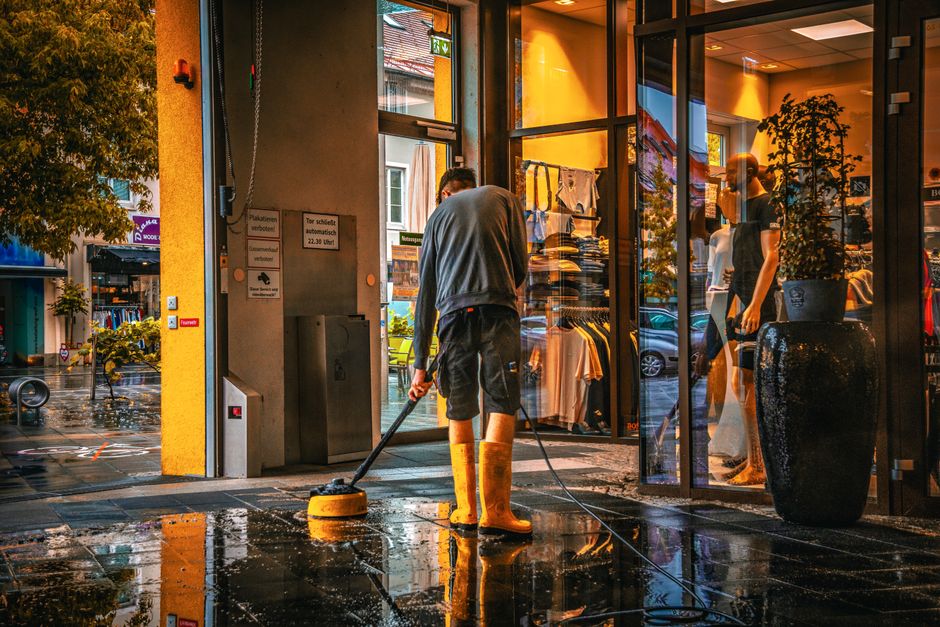
Emergency cleaning sounds simple enough on paper: call someone, get the place cleaned fast, move on with your day. In real life, though, it rarely feels that neat. Common problems with emergency cleaning in Lambeth often show up at the worst possible moment too - after a spill, a last-minute tenant handover, a late-night accident, or a business situation that cannot wait until tomorrow.
In Lambeth, those pressures can be amplified by tight access, busy streets, flats with narrow stairwells, parking restrictions, and the general reality of London timing. If you have ever stood in a hallway at 8am wondering how on earth the mess is going to be dealt with before lunch, you are not alone. This guide breaks down the issues people run into, why they matter, and how to handle emergency cleaning more calmly and more effectively.
We will look at what emergency cleaning actually involves, where things go wrong, how to avoid rushed mistakes, and what a sensible process looks like when time is short. There is a lot to cover, so let's keep it practical.
Why common problems with emergency cleaning in Lambeth matter
When cleaning needs to happen urgently, the stakes are usually higher than people expect. A delayed clean can mean more staining, stronger odours, safety hazards, unhappy neighbours, failed inspections, missed tenancy deadlines, or a workplace that simply cannot reopen on time.
In Lambeth, those risks can become more noticeable because many properties have practical constraints. Older buildings may have awkward access. Converted flats can have narrow hallways. Commercial spaces may sit on busy roads with limited loading time. Even a straightforward job can become awkward if nobody has planned for the real-world setting.
That is why the common problems with emergency cleaning in Lambeth are not just "annoying". They can affect money, reputation, and stress levels in one hit. If you are dealing with an end-of-tenancy issue, for example, the pressure can be especially sharp. A missed mark on carpets or a sticky kitchen surface can make a property look less cared for than it really is. For a deeper look at related tenancy pressures, you may also find the discussion in avoid hidden cleaning charges in Lambeth properties useful, because rushed bookings and unclear expectations often go hand in hand.
Key point: emergency cleaning is rarely difficult because the cleaning itself is impossible. It is difficult because timing, access, expectations, and communication can all go sideways at once.
How emergency cleaning in Lambeth works
Emergency cleaning is usually a fast-response service arranged at short notice. The objective is to reduce risk, restore cleanliness, and make a space usable again as quickly as possible. That may mean same-day arrival, out-of-hours attendance, or a focused clean of only the most important areas.
In a typical Lambeth scenario, the process starts with a quick assessment. What happened? Where is the mess? Is it a spill, odour, post-party mess, biohazard concern, carpet issue, or general property reset? Is the site residential or commercial? Is there parking, lift access, or restricted entry? These questions matter because they affect the team, the equipment, and the time required.
Sometimes people expect emergency cleaning to work like a simple reset button. It rarely does. The cleaner may need to prioritise the worst areas first, identify materials that need specialist treatment, and decide whether a full clean is realistic in the timeframe. If there is narrow access or awkward stair movement, it is worth reading what to know about narrow access cleaning in Lambeth, because access problems can change the whole job before a mop has even left the van.
For office situations, the urgency often looks a bit different. A business may need desks sanitised, washrooms restored, flooring treated, and waste removed before staff return. If that sounds familiar, Vauxhall office cleaning for small businesses in Lambeth gives helpful context on how business cleaning priorities differ from domestic ones. Not exactly the same headache, not even close.
There is often a staging pattern too:
- Initial call and problem description
- Short risk check and access review
- Estimate or scope confirmation
- Rapid attendance and surface preparation
- Targeted cleaning and detail work
- Final check for missed areas, residue, or lingering smells
That simple outline hides a lot of judgement. The best emergency cleaners do not just work fast; they work in the right order.
Key benefits and practical advantages
Despite the pressure, emergency cleaning can be the right call for a lot of situations. Done properly, it reduces disruption and gives you breathing room. And honestly, when the clock is ticking, breathing room matters.
- Stops the problem getting worse - spills, odours, and contamination become harder to remove if left too long.
- Restores usability quickly - useful for tenants, landlords, offices, hospitality spaces, and family homes.
- Reduces embarrassment and stress - nobody enjoys apologising to guests, staff, or agents twice.
- Improves handover outcomes - especially at move-out or before an inspection.
- Supports business continuity - for offices and workspaces that cannot afford long downtime.
There is also a less obvious benefit: emergency cleaning can help you make better decisions. Once the immediate mess is under control, you can judge whether the issue needs a standard clean, carpet treatment, upholstery care, or a deeper follow-up service. If fabric furnishings are involved, the information on upholstery cleaning in Lambeth may be useful for planning the next step rather than guessing.
Practical advantage: a good emergency clean often turns a crisis into a manageable sequence of jobs instead of one giant panic.
Who this is for and when it makes sense
Emergency cleaning is not only for dramatic disasters. More often, it is for ordinary people who have run out of time. That is the truth of it.
It makes sense if you are:
- a tenant facing a same-day move-out or last-minute inspection
- a landlord needing a quick reset between occupancies
- a homeowner dealing with a spill, leak aftermath, or pre-visit clean
- a business owner with a workplace mess that affects opening hours
- an agent or property manager trying to protect a timetable
- someone hosting an event and needing a space presentable fast
For party-related messes, the challenge is often more than just visible rubbish. Sticky surfaces, bathroom issues, spilled drinks, and hidden odours can make a place feel off long after the main mess is gone. If you are planning ahead rather than reacting, a guide like best places for parties in Lambeth can help you think through the risk of location and access before the event even happens. A bit of planning saves a headache later. Usually.
Emergency cleaning is less suitable when the issue needs forensic-level investigation, extensive restoration, or specialist remediation beyond normal cleaning work. In those cases, the best cleaner will tell you that quickly rather than pretending a mop will solve everything. That honesty matters.
Step-by-step guidance
If you are trying to handle an urgent clean in Lambeth, a calm sequence works better than jumping straight to the first available option. Here is a sensible approach.
1. Identify the exact problem
Start with the basics. Is it liquid spill, food residue, blood or bodily fluids, pet mess, smoke smell, mould risk, post-party clutter, or a general end-of-tenancy clean? The more specific you are, the more accurate the response will be.
2. Note the constraints
Write down access issues, parking limitations, floor level, lift availability, and any time windows. In Lambeth, these practical details can be the difference between a clean that happens smoothly and one that turns into a logistical puzzle.
3. Decide what must happen first
Not all tasks are equal. A wet carpet may need immediate attention before anything else. A kitchen may need degreasing before odour removal. A washroom might need sanitising before surface polish. Prioritise the risks, not the aesthetics.
4. Ask what can realistically be achieved
Be blunt, in a polite way. Can the space be made safe and presentable today? Will the cleaner need follow-up treatment? Should certain items be skipped due to contamination or damage? A good provider will explain what is realistic instead of overselling the result.
5. Prepare the space if you can
Move what you safely can, clear doorways, and make access straightforward. If you are already in a rush, even a small bit of preparation helps. No need to turn into an expert packer at 10pm, though.
6. Confirm the finish point
Before the clean starts, agree what "done" looks like. For some jobs, that means hygienic and safe. For others, it means inspection-ready or customer-facing. The target changes the standard.
7. Inspect promptly
When the clean is finished, check corners, edges, touch points, and problem areas while the team is still there. That is far easier than noticing a missed patch after everyone has left and the kettle's already on.
Expert tips for better results
Most emergency cleaning issues are preventable with a few disciplined habits. Nothing flashy. Just good practice.
- Be specific in the first message or call. "Kitchen spill" is not enough if there is grease, broken glass, and a bad smell involved.
- Share photos if possible. Even rough pictures make the first assessment more accurate.
- Tell the cleaner what the deadline actually is. Same-day, before 3pm, before handover, before staff arrive - these are different jobs.
- Ask about specialist treatments early. Carpets, upholstery, and hard flooring may need different methods.
- Keep the scope tight. Emergency cleaning is usually about stabilising the situation, not polishing every single surface in the property.
- Check the follow-up plan. If a stain might lighten only after drying, make sure you understand that before panic sets in.
If you want a broader look at how Lambeth property conditions affect cleaning and upkeep, what it's like to live in Lambeth gives useful local context. It is not a cleaning guide as such, but it helps explain why property layout and day-to-day living patterns can make urgent cleaning feel more complicated than expected.
A small expert trick: keep one sentence ready that explains the problem plainly. For example, "There has been a food spill across the lounge carpet and we need the room usable this evening." Clear, calm, no drama. That sort of sentence saves time.

Common mistakes to avoid
This is where a lot of emergency jobs go wrong. Not because the cleaner is bad, but because everyone involved is moving too quickly.
- Calling without enough detail. If the issue is larger than you described, the team may arrive unprepared.
- Assuming every clean is the same. Domestic, commercial, tenancy, and post-event cleaning have different priorities.
- Ignoring access problems. A lack of parking or a blocked entry can delay the whole job.
- Choosing only on speed. Fast is good. Wrong for the job is not.
- Forgetting about drying time. A carpet may be cleaned quickly but still need time before it is safe to walk on.
- Not asking what is included. Emergency jobs can become expensive if the scope is vague.
- Leaving valuables or delicate items in the work zone. That is asking for avoidable stress.
There is also a classic mistake that deserves its own line:
People wait too long.
Truth be told, waiting often makes the final result worse. A fresh stain is usually easier than an old one. A quick response is not a luxury; it is often the difference between manageable and annoying.
Tools, resources and recommendations
You do not need a van full of specialist kit to understand what makes emergency cleaning effective, but it helps to know the basics.
Common tools and materials may include:
- microfibre cloths for quick surface recovery
- wet vacuum equipment for spills
- appropriate detergents or neutral cleaners
- degreasing products for kitchen mess
- sanitising solutions for touch points and washrooms
- carpet treatment tools for stain and odour issues
- protective gloves and waste bags for hygiene-sensitive tasks
For people managing property turnover, the broader service pages on end of tenancy cleaning in Lambeth, domestic cleaning in Lambeth, and office cleaning in Lambeth can help you think about the right type of clean before requesting urgent support. The right category saves time.
If carpets are involved, it is sensible to consider whether the issue is surface dirt, embedded staining, or odour. The page on carpet cleaning in Lambeth is useful for understanding how that distinction affects treatment choices. And if pricing transparency matters - which, let's be honest, it always does - pricing and quotes and services overview are helpful reference points for planning. No one enjoys guesswork when the clock is running.
Recommendation: keep photos, access notes, and a short written summary ready before you make the call. It makes the whole process cleaner in the administrative sense too.
Law, compliance, standards, or best practice
Emergency cleaning can touch on hygiene, safety, waste handling, tenancy obligations, and workplace obligations. That does not mean every job is heavily regulated in the same way, but it does mean best practice matters.
For residential and commercial spaces, the safest approach is to use cleaning methods that are suitable for the surface, the contamination level, and the environment. If there is any risk involving bodily fluids, mould, sharp objects, or chemical residue, the job should be treated with extra caution. In those cases, it is sensible to rely on a provider that takes safety and insurance seriously.
It is also sensible to check practical policies before booking. Documents such as health and safety policy, insurance and safety, terms and conditions, and complaints procedure help set expectations. They do not make the clean happen faster, obviously, but they do make the service more transparent.
For businesses, cleaning also intersects with internal safety routines. Floors should not be left slippery, waste should be managed properly, and any strong chemical use should be handled carefully. If a property involves narrow staircases, shared entrances, or awkward loading access, the practical risk rises a bit. Not dramatic - just enough to warrant a smarter plan.
Best practice in emergency cleaning is quite simple: assess, communicate, document, clean safely, and confirm completion. It sounds basic because it is. The hard part is doing it well under pressure.
Options, methods, or comparison table
When people say "emergency cleaning," they often mean very different things. This quick comparison may help you decide what kind of response fits the situation.
| Situation | Best approach | Main challenge | What to watch for |
|---|---|---|---|
| Fresh spill on carpet | Immediate stain treatment and drying support | Stopping it spreading | Time, carpet fibre sensitivity, lingering smell |
| Post-party mess | Focused reset of kitchen, bathroom, and floors | Mixed debris and sticky residues | Hidden mess behind furniture, bins, and skirting |
| End-of-tenancy rush | Prioritised deep clean with inspection in mind | Deadline pressure | Check oven, bathroom, limescale, carpets, and touch points |
| Office incident | Work-safe, discreet commercial clean | Minimising downtime | Access windows, staff movement, sensitive equipment |
| Odour issue | Source identification and targeted treatment | Odour often has multiple causes | Do not mask the smell without finding the source |
For readers comparing local property situations, it can also help to think beyond the clean itself. If the issue is tied to moving, selling, or ownership changes, the articles on selling property in Lambeth and Lambeth properties as a wise investment guide offer a useful reminder: presentation and timing affect outcomes more than people expect.
Case study or real-world example
Picture a fairly ordinary Lambeth flat on a weekday morning. Nothing dramatic, just the kind of day that gets away from people. There has been a last-minute tenancy handover, the hallway is cluttered, and a kitchen spill has spread farther than anyone realised. The carpet at the entrance is damp, the bin is overflowing, and the bathroom needs to feel presentable before an afternoon inspection.
The resident calls for emergency cleaning and gives only one sentence: "We need the place cleaned today." Helpful? Sort of. But not enough.
Once the details are shared, the actual issue becomes clearer: the clean needs to focus on high-traffic areas, kitchen surfaces, the bathroom, and the carpet near the entry. The team also notes that the building has a narrow stairwell and limited waiting space outside. That means they need to bring the right kit first time, move efficiently, and keep the clean focused.
What usually goes wrong in a case like this is not the scrubbing. It is the assumptions. Someone assumes the whole property can be deep cleaned in an hour. Someone else assumes the carpet will be dry instantly. Another person thinks the inspection can start before the surfaces have settled. Bit of a mess, really.
The better outcome comes from a simple adjustment: the team handles the critical areas first, explains drying times clearly, and confirms what has been completed and what still needs attention. The property is not magically perfect, but it is functional, presentable, and ready for the next step.
That is the real value of emergency cleaning. Not perfection. Control.
Practical checklist
Use this quick checklist before booking emergency cleaning in Lambeth or when managing a fast-turnaround job.
- Identify the exact problem and where it is located
- Take clear photos if safe to do so
- Note access details, parking, lift use, and floor level
- State the deadline or time window clearly
- Confirm whether the issue affects carpet, upholstery, flooring, or hard surfaces
- Remove fragile or valuable items from the work area
- Ask what is included and what may need extra treatment
- Clarify whether drying time is needed before re-entry
- Check any safety, insurance, or complaints information if relevant
- Inspect the result while the team is still on site, if possible
If you are booking around a property changeover, it is also worth considering whether the issue belongs in a standard clean, a move-out clean, or a more targeted intervention. That single decision saves a surprising amount of stress.
Quick takeaway: the cleaner the brief, the better the emergency outcome.
Conclusion
The common problems with emergency cleaning in Lambeth usually come down to a few familiar themes: rushed communication, awkward access, unrealistic expectations, and delays that make the mess harder to manage. None of those are rare. In fact, they are exactly what turns a straightforward clean into a stressful one.
The good news is that most of these problems can be reduced with a calm brief, a realistic scope, and a provider who understands local property layouts and time pressure. Whether you are dealing with a tenancy deadline, a business interruption, or a messy domestic situation, the best results usually come from acting early and keeping the plan simple.
And if today feels a bit chaotic, that is okay. One small, well-handled step at a time can make a bigger difference than you think. Sometimes that is all a property needs - not a miracle, just a proper start.
Get a free quote today and see how much you can save.




