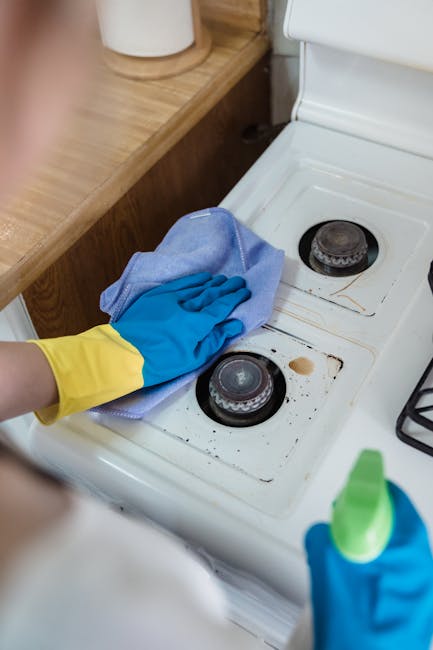
Real cost of deep cleaning in Lambeth homes: what you actually pay for and why
People usually ask about deep cleaning prices when the house has quietly crossed a line. Not filthy, exactly. Just the kind of place where skirting boards show dust in the afternoon light, the oven has a stubborn smell, and the bathroom needs more than a quick wipe. That is where the real cost of deep cleaning in Lambeth homes starts to matter. It is not only about the headline price. It is about the size of the property, the level of build-up, the rooms included, and whether you need extras like carpet cleaning or oven cleaning.
In Lambeth, where homes range from compact flats to larger terraces and period conversions, deep cleaning jobs can vary a lot. One quote may look cheap because it covers only a light reset. Another may seem higher, but it may include the time, labour, products, and attention needed to do the job properly. This guide breaks down what drives the price, what a proper deep clean should include, and how to judge value without getting caught out by vague estimates.
Table of Contents
- Why real cost matters in Lambeth homes
- How deep cleaning pricing actually works
- Key benefits and practical advantages
- Who this is for and when it makes sense
- Step-by-step guidance
- Expert tips for better results
- Common mistakes to avoid
- Tools, resources and recommendations
- Law, compliance, standards and best practice
- Options, methods and comparison table
- Case study or real-world example
- Practical checklist
- Conclusion
- Frequently asked questions
Why real cost of deep cleaning in Lambeth homes matters
Let's be honest: most people do not want a deep clean because they enjoy cleaning. They want it because life got busy, a move is coming up, guests are arriving, or the property has simply built up grime over time. In those moments, price becomes less about finding the cheapest option and more about avoiding a bad outcome. A rushed clean can leave grease in the oven, limescale in the bathroom, or dust hidden around edges that you only notice once the sun hits the room at 4pm.
The real cost matters because a deep clean is not a standard tidy-up. It usually means a more detailed, labour-heavy service that reaches behind, under, and into places a regular domestic clean does not cover. That extra attention takes time. Time is the main cost driver, along with equipment, cleaning products, and the number of cleaners needed on site.
For Lambeth homes specifically, the property type matters a lot. A one-bedroom flat near a busy high street may need quick but thorough attention, while a family home with pets, carpets, and heavy kitchen use can take much longer. If you are comparing prices, ask yourself a simple question: what exactly is included? A lower figure is not always better if it leaves half the job unfinished.
There is also a trust angle here. Good providers are transparent. They explain what affects the quote, what is excluded, and whether specialist services like carpet cleaning, oven cleaning, or window cleaning are part of the package or added separately. That clarity saves arguments later. To be fair, it also saves everyone a bit of awkwardness.
How real cost of deep cleaning in Lambeth homes works
Deep cleaning pricing is usually built from a few practical pieces rather than one fixed formula. Some companies quote by the job. Others estimate by the hour, room count, or property size. The final figure often comes from a mix of all three. The more precise the brief, the more accurate the quote tends to be.
Here is what usually affects the cost:
- Property size - a studio is not the same as a three-bedroom maisonette.
- Condition - light dusting takes less time than thick grease, soap scum, or heavy limescale.
- Rooms included - kitchens and bathrooms are typically more labour-intensive than bedrooms.
- Extra services - carpets, upholstery, mattresses, or specialist stain removal may be separate.
- Access and parking - in Lambeth, simple access is not always a given, especially in busy streets or upper-floor flats.
- Frequency - a one-off deep clean can cost more per visit than an occasional maintenance clean.
In practice, a deep clean might include high-touch areas, cupboards, appliances, bathroom fixtures, internal glass, switches, skirting boards, and detailed floor care. A lot of people forget the little things. Light fittings, door frames, extractor covers, behind the toilet. It's the small stuff that makes a room feel properly reset.
If the property needs work because of a move, renovation, tenant handover, or Airbnb turnover, the scope can grow quickly. That is why some customers compare move-out cleaning, end of tenancy cleaning, and deep cleaning before deciding what they actually need. They overlap, but they are not identical.
Key benefits and practical advantages
A well-done deep clean is not just about sparkle. It changes how a home feels and functions. You notice it when the kitchen smells fresher, the bathroom looks brighter, and you are no longer side-eyeing the oven every time you walk past it.
Some of the biggest benefits are:
- A more hygienic home - detailed cleaning removes the build-up that regular cleaning often misses.
- Better presentation - useful before viewings, guests, inspections, or new tenants.
- Less stress - you do not have to spend your weekend scrubbing grout and wondering where the dust came from.
- Longer-lasting surfaces - regular removal of grime helps fixtures, floors, and fabrics stay in better shape.
- Smarter use of your own time - sometimes handing the job over is simply the sensible call.
There is also a practical financial side. If a deep clean prevents damage from long-term grime, or helps a deposit handover go smoothly, the service can pay for itself in a very real way. That is especially true for rental homes, busy family households, and properties with carpets or soft furnishings that trap odours and dirt.
For some homes, pairing a deep clean with targeted services is the sweet spot. For example, a kitchen-heavy flat may benefit from oven cleaning and stain removal, while a pet household may need pet stain odour removal alongside a broader clean. Small choice, big difference.
Who this is for and when it makes sense
Deep cleaning is not only for people who have "let things go." That is a common assumption, and it is a bit unfair. In reality, lots of well-kept homes need deep cleaning at certain points in the year.
It tends to make sense for:
- Tenants moving out who want a clean, presentable property for handover.
- New residents who want a fresh start before unpacking.
- Busy households that keep on top of basics but need a proper reset now and then.
- Pet owners dealing with hair, smells, and stubborn marks.
- Landlords and managing agents preparing a property for the next occupant.
- Airbnb hosts who need fast turnaround and consistent standards.
It can also be a sensible choice after building work, decorating, or long periods without maintenance. Dust from even small improvements has a way of travelling everywhere. You think it will stay in one room. It never does.
If you are unsure whether you need a one-off clean or something more specific, comparing one-off cleaning, move-in cleaning, and after builders cleaning can help narrow it down. The best option depends on the mess, not just the occasion.
Step-by-step guidance
If you want a realistic idea of the cost, start with a proper scope. A vague request like "how much for a deep clean?" is hard to price well. A better approach is to describe the property, the rooms, and the issues that need attention.
- List the rooms and surfaces
Write down the kitchen, bathrooms, bedrooms, hallways, living areas, and any special surfaces such as hard floors or upholstered furniture. - Note the condition honestly
Be specific about grease, limescale, pet hair, marks, odours, or heavy dust. It helps more than saying "just needs a good clean." - Decide what is essential and what is optional
Maybe the kitchen, bathroom, and floors matter most. Maybe you also want carpets and sofa cleaned while the team is there. - Ask what is included
Check whether the service covers inside cupboards, appliances, skirting boards, internal windows, and fixtures. Details matter. - Request a written quote
This helps avoid misunderstanding about timing, scope, or add-ons. - Clarify access and parking
In Lambeth, that can affect arrival time and setup. It is a small thing, but it matters. - Prepare the home
Remove clutter, laundry, loose items, and valuables so cleaners can work efficiently.
If you need a quote process that is transparent and easy to follow, the company's pricing and quotes page is the right place to start. That sort of upfront clarity is worth more than you might think.
Expert tips for better results
After enough cleaning jobs, certain patterns become obvious. The people who get the best value are not always the ones paying the least. They are usually the ones who give the clearest brief, choose the right service, and avoid surprise extras.
Here are a few practical tips:
- Prioritise high-impact rooms first - kitchens and bathrooms usually deliver the biggest visible change.
- Be honest about problem areas - a hidden patch of mould or greasy extractor can change the plan quite a bit.
- Match the service to the material - carpets, upholstery, and hard floors need different methods.
- Bundle related work sensibly - if the home needs both soft furnishing and floor care, ask about combining services.
- Ask about products - especially if you have pets, children, allergies, or delicate surfaces.
Sometimes a little prep makes a large difference. Clearing counters, emptying sink areas, and moving small items out of the way can reduce labour time and improve access. It's not glamorous, but it helps. And honestly, it makes the whole thing feel less chaotic.
If your home includes carpets or rugs that hold onto traffic marks, the cost may be better controlled by combining deep cleaning with steam carpet cleaning or rug cleaning rather than trying to treat them as an afterthought.
Common mistakes to avoid
The most expensive deep clean is often the one that had to be redone. That usually happens when the scope was unclear, the property was underprepared, or the customer assumed everything was included when it was not.
Watch out for these mistakes:
- Choosing only on price - low quotes can hide a narrow scope.
- Not separating regular cleaning from deep cleaning - they are different services with different effort levels.
- Forgetting specialist areas - mattresses, sofas, curtains, and floors often need dedicated treatment.
- Ignoring access issues - difficult parking, no lift, or shared entrances can affect the day.
- Assuming "deep clean" means the same thing everywhere - it does not. One provider's standard may be another's extra.
One common scenario: a customer expects every cupboard to be wiped, every appliance degreased, and the windows to be spotless, but the quote was based on a lighter whole-home clean. That mismatch causes friction. Not ideal, especially when everyone is just trying to get through moving week without losing their minds.
Avoiding that problem is usually simple. Ask questions early, get written confirmation, and do not be shy about saying what really matters to you. Clear expectations are the whole game.
Tools, resources and recommendations
A good deep clean relies on more than elbow grease. Professional cleaning teams use a mix of tools and methods depending on the surface and soil type. You do not need to know every product name, but it helps to understand the broad categories.
- Microfibre cloths and pads - good for dust capture and general surface cleaning.
- Degreasers - used carefully on kitchen build-up, especially around hobs and extractor areas.
- Limescale removers - useful in bathrooms where taps, shower screens, and tiles have mineral deposits.
- Steam or hot-water extraction - often used for carpets and some upholstery, depending on fabric suitability.
- Specialist stain treatments - for marks that do not respond to standard cleaning.
For soft furnishings and floor care, it often helps to use the right specialist service rather than trying to force a single method to do everything. For example, upholstery cleaning can refresh sofas and chairs, while mattress cleaning is better for bedding hygiene and odour control. Different materials, different approach.
And if you are dealing with hard surfaces outdoors or at entrances, services like patio cleaning or hard floor cleaning may be more appropriate than a generic indoor clean. The right tool really does change the outcome.
Law, compliance, standards and best practice
Deep cleaning in a home setting is not usually a heavily regulated service in the way some trades are, but good providers still work to clear best practice. That means taking reasonable care with products, equipment, property condition, and safety. It also means being upfront about what is covered and what is not.
From a customer perspective, a few things matter most:
- Insurance and safety - a professional business should be prepared to discuss how it handles risk and damage concerns.
- Product use - cleaners should use methods suitable for the surface, especially on delicate finishes or soft furnishings.
- Health and safety - wet floors, cords, and chemical handling should be managed responsibly.
- Clear terms - timing, access, cancellation, and scope should be explained properly.
You can also look for sensible operational transparency. Pages such as health and safety policy, insurance and safety, and terms and conditions help show how a provider approaches the work behind the scenes. That matters. It is not the exciting part, but it is the part that protects you when things get messy in the real world.
For customers who care about waste and product choices, it may also be useful to check a company's recycling and sustainability approach. Small thing, maybe. But it gives you a sense of how carefully the business thinks.
Options, methods and comparison table
Different cleaning options solve different problems. If you are comparing the real cost of deep cleaning in Lambeth homes, it helps to compare services by outcome rather than by name alone.
| Option | Best for | Typical scope | Value point |
|---|---|---|---|
| Regular cleaning | Ongoing upkeep | Surface-level maintenance, tidying, basic dirt removal | Lower cost per visit, but not designed for heavy build-up |
| One-off cleaning | A reset when the home has slipped a bit | More detailed than routine cleaning, often room-based | Good middle ground when you do not need a specialist clean |
| Deep cleaning | Heavy build-up, full-home refresh, move-related jobs | Detailed attention to fixtures, edges, hidden areas, and grime | Higher cost, but better for thorough results |
| End of tenancy cleaning | Rental handover | Often broader and more checklist-led | Useful where landlords or agents expect a specific standard |
| After builders cleaning | Dust and debris after work | Removal of construction residue, fine dust, and marks | Specialist method for renovation aftermath |
If your home has a mix of issues, a tailored combination can be smarter than one broad service. A kitchen may need oven cleaning, a lounge may need sofa cleaning, and the bedrooms may only need a solid deep clean. That layered approach is often more cost-effective than trying to treat the whole house as one identical job.
Case study or real-world example
Here is a realistic example from the kind of situation many Lambeth households run into.
A two-bedroom flat in a converted building had been lived in by a couple with a dog. The kitchen was the main pain point: grease around the hob, a lingering smell near the bins, and some brown marks on the cabinet handles. The bathroom had limescale on the taps and soap residue around the shower. The lounge had visible pet hair trapped in the sofa and a faint odour after the heating came on.
At first glance, the homeowner thought they needed only a general clean. But once the list was broken down, it became clear the job was really a deep clean plus a few specialist extras. The best value came from prioritising the kitchen and bathroom, then adding pet stain odour removal and upholstery cleaning for the living room.
The useful lesson? The first quote is not always the final answer. Sometimes the real saving is in choosing the right mix of services, not the cheapest single line on the invoice. Bit boring, maybe. But true.
Practical checklist
Use this before you request quotes or book a visit.
- Confirm whether you need a deep clean, one-off clean, or end of tenancy clean.
- List every room that needs attention.
- Note problem areas such as grease, limescale, mould, pet hair, stains, or odours.
- Decide whether carpets, upholstery, rugs, or mattresses need separate treatment.
- Ask what is included in the price and what is not.
- Check whether the quote is fixed or subject to inspection.
- Confirm access details, parking, and any building restrictions.
- Remove clutter and small items before the visit.
- Ask about products if you have pets, allergies, or delicate surfaces.
- Keep the written quote and service terms somewhere easy to find.
Useful final thought: the better prepared your brief, the more accurate the cost. That sounds simple because it is.
Get a free quote today and see how much you can save.
Conclusion
The real cost of deep cleaning in Lambeth homes depends on far more than square footage. It comes down to what needs cleaning, how dirty the property is, what equipment or specialist treatments are required, and how clearly the job is scoped from the start. Once you understand that, the numbers make much more sense.
The smartest approach is to focus on value, not just price. A proper deep clean should leave the home feeling fresher, easier to live in, and visibly improved in the places that matter most. Kitchens, bathrooms, floors, and soft furnishings usually tell the story straight away.
If you are unsure where to start, choose the service that matches the actual condition of the property, ask for a clear quote, and make sure the scope is realistic. That alone removes most of the stress. And if you get it right, the difference is one of those small wins that makes home feel like home again.
Frequently Asked Questions
How much does a deep clean usually cost in Lambeth homes?
The price depends on property size, condition, and what is included. A small flat with light build-up will usually cost less than a larger home with heavy grime, pets, or specialist extras. The most reliable way to understand cost is to request a tailored quote.
What is included in a deep clean?
A deep clean often includes detailed attention to kitchens, bathrooms, skirting boards, fixtures, surfaces, and floors. Some providers also include inside cupboards, appliances, and internal glass, but not always. Always check the scope before booking.
Is deep cleaning the same as end of tenancy cleaning?
Not quite. Deep cleaning is broader and can be used for many situations, while end of tenancy cleaning is usually more checklist-driven and focused on rental handover standards. There is overlap, but they are not identical.
Why do Lambeth homes sometimes cost more to deep clean?
Access, parking, stairs, flat layouts, and property type can all affect the time needed. In London, even a short job can take longer if access is awkward or parking is limited. That can influence the final quote.
Can I save money by combining services?
Often, yes. If you need carpets, upholstery, or ovens cleaned as part of the same visit, bundling related tasks can be more efficient than booking them separately. It depends on the provider and the size of the job.
Do I need to be home during the deep clean?
Not always, but it depends on access arrangements and your comfort level. Some people prefer to stay in, especially for the first visit, while others simply arrange key handover and return later. Either way can work.
How long does a deep clean take?
It depends on the size and condition of the home. A compact property may take a few hours, while a larger or heavily soiled home can take much longer. The time estimate should match the quote, not surprise you on the day.
Is a one-off clean enough instead of a deep clean?
Sometimes. If the home just needs a decent reset and the dirt is not too heavy, a one-off clean may be enough. If there is built-up grease, limescale, or detailed grime, a deep clean is usually the better fit.
What should I prepare before the cleaners arrive?
Remove clutter, laundry, valuables, and loose items from surfaces and floors. The less time the team spends moving personal belongings, the more time they can spend actually cleaning. Simple, but effective.
Do carpets and sofas count as part of a deep clean?
Not automatically. Many deep cleans focus on hard surfaces and general detail work, while soft furnishings are often separate. If you want carpets or sofas treated, ask about carpet cleaning or sofa cleaning specifically.
How do I know if a quote is fair?
A fair quote is usually clear about the rooms covered, the level of detail, the extras, and any limits. If a price seems unusually low, check what has been left out. If it seems high, ask which factors are driving the cost.
Are cleaning products safe for pets and children?
That depends on the products used and how the job is handled. If this matters to you, ask upfront. A professional cleaner should be able to explain the approach in plain language and adjust where sensible.